Source Food Grade Ice Cube Tray for Drinks, Baby Food, and Chocolate
Find 30 food grade ice cube tray options from China. Compare silicone materials, FDA certifications, and custom designs for making ice, baby food supplements, and chocolate treats. These trays support high and low temperatures, offering versatile solutions for various culinary needs while ensuring safety and quality for your business requirements.
Key considerations
Products List


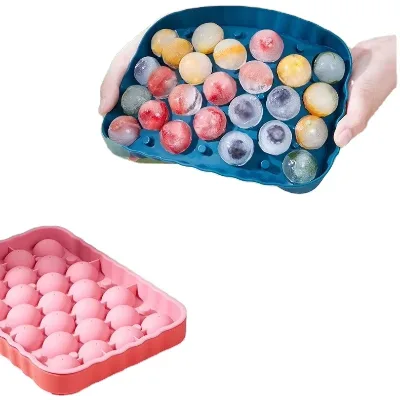


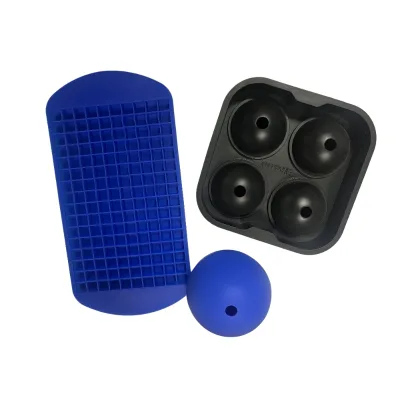


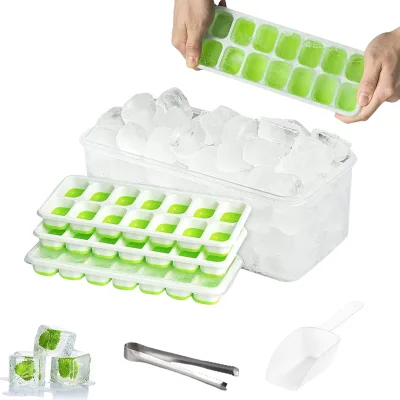


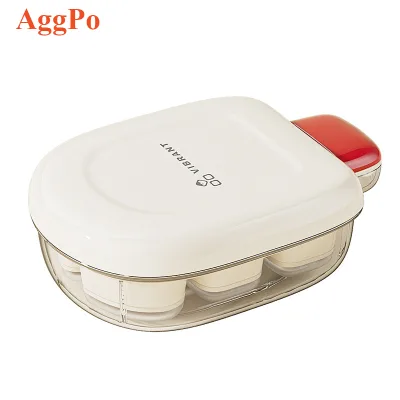


Comprehensive Sourcing Guide
Food Grade Ice Cube Tray Sourcing Guide
Sourcing food grade ice cube trays requires a disciplined approach to material verification and supplier qualification. Buyers must prioritize suppliers who demonstrate transparent manufacturing processes and provide clear evidence of material safety. The core value proposition lies in the ability to produce trays that are chemically inert, durable under thermal stress, and safe for direct contact with consumables. This guide outlines the critical steps for evaluating potential vendors, ensuring that the final product meets both functional requirements and regulatory standards.
Procurement teams should focus on establishing a robust vendor selection framework that emphasizes quality assurance over initial price points. By understanding the nuances of silicone production and certification requirements, buyers can mitigate risks associated with substandard materials. This guide provides a structured approach to navigating the complexities of global sourcing, helping buyers make informed decisions that align with their brand’s commitment to safety and quality.
Product Scope and Observed Listing Signals
The market for food grade ice cube trays presents a diverse range of options, with observed price points ranging from $0.06 to $3.82 USD. This wide variance reflects differences in material quality, customization complexity, and order volume. Buyers should note that the minimum order quantities (MOQ) typically span from 10 to 5,000 units, allowing for flexibility in initial testing and large-scale production runs. Understanding these commercial signals is essential for budgeting and supply chain planning.
Product attributes indicate a strong emphasis on customization, with many suppliers offering OEM and ODM services. Common features include various shapes such as rectangular or spherical designs, and options for custom logos or fruit-themed molds. Materials are predominantly silicone or silicone rubber, chosen for their flexibility and durability. Packaging varies from individual polybags to carton boxes, with some listings specifying precise package dimensions and weights to facilitate logistics planning.
Technical Specifications to Verify
Verifying technical specifications is crucial for ensuring the trays meet functional expectations. Key attributes to confirm include the material composition, which should be high-quality silicone or silicone rubber capable of withstanding extreme temperatures. Buyers should inquire about the specific hardness, thickness, and mold precision, as these factors influence ice release and durability. Additionally, checking for features like lids or covers can enhance usability and hygiene during storage.
Design flexibility is a significant advantage in this category, with suppliers often accommodating custom requirements. Buyers should request 3D, CAD, or DWG drawing formats to validate design feasibility before production. It is also important to verify the production process, such as molding techniques, to ensure consistency across batches. Confirming the origin of production, whether from Guangdong, Zhejiang, or other regions, can provide insights into manufacturing capabilities and supply chain reliability.
Compliance and Safety Documentation
Compliance with international safety standards is non-negotiable for food contact products. Buyers must verify that suppliers hold relevant certifications, such as FDA, LFGB, CE/EU, and ISO9001:2008. These certifications indicate that the materials and manufacturing processes have been tested and approved for food safety. Requesting copies of these certificates and understanding their scope is essential for mitigating regulatory risks in target markets.
Beyond certifications, buyers should inquire about specific testing protocols, such as ethylene oxide sterilization status and heavy metal migration tests. Ensuring that the products are free from harmful substances like BPA or phthalates is critical for consumer safety. Suppliers should be able to provide detailed material safety data sheets (MSDS) and test reports from accredited laboratories. This documentation serves as proof of compliance and helps build trust with end consumers.
Cost Drivers and Commercial Terms
Several factors influence the final cost of food grade ice cube trays, including material costs, mold development fees, and order volume. Higher MOQs often result in lower unit prices, making bulk orders more cost-effective for established brands. Buyers should also consider the costs associated with customization, such as logo printing or unique design elements, which may incur additional charges. Understanding these cost drivers helps in negotiating favorable terms and managing budgets effectively.
Commercial terms, including payment methods, lead times, and shipping arrangements, play a significant role in the overall procurement strategy. Buyers should clarify the production lead time, especially for custom orders, to ensure timely delivery. Incoterms should be specified to define responsibilities for shipping and insurance. Additionally, understanding the supplier’s return policy and warranty terms can provide protection against defects or non-conforming products.
Supplier Qualification and Quality Control
Supplier qualification involves a thorough assessment of their manufacturing capabilities, quality control systems, and business stability. Buyers should conduct factory audits or request virtual tours to verify production facilities and equipment. Evaluating the supplier’s experience in producing food contact items and their track record with international clients is essential. A reliable supplier should have a robust quality management system in place to ensure consistent product quality.
Quality control measures should be integrated into the procurement process, including pre-production samples, in-process inspections, and final random inspections. Buyers should define clear acceptance criteria and inspection protocols to identify defects early. Establishing a communication channel for addressing quality issues promptly is also important. By implementing rigorous quality control practices, buyers can minimize the risk of receiving substandard products and maintain brand reputation.
Long-Term Procurement Checks
Long-term procurement success depends on continuous monitoring and relationship management with suppliers. Buyers should establish regular performance reviews to assess supplier reliability, quality consistency, and responsiveness. Tracking key performance indicators (KPIs) such as on-time delivery rates, defect rates, and customer satisfaction can provide valuable insights into supplier performance. Regular communication helps in addressing any emerging issues and fostering a collaborative partnership.
Adapting to market changes and evolving consumer preferences is crucial for maintaining a competitive edge. Buyers should stay informed about new material innovations, design trends, and regulatory updates in the food contact industry. Periodically re-evaluating the supplier base and exploring alternative sources can help mitigate supply chain risks. By maintaining a proactive approach to procurement, buyers can ensure a steady supply of high-quality food grade ice cube trays that meet their business objectives.
FAQs
What certifications do these silicone ice cube trays hold?
These trays hold FDA, LFGB, CE/EU, EEC, CIQ, and ISO9001:2008 certifications. They are made from food-grade silicone rubber suitable for making ice, baby food supplements, and chocolate. The products meet various international safety standards for kitchenware applications.
Can I customize the design and shape of the ice cube tray?
Yes, customization is available for design, shape, and specifications. You can request rectangular, fruit, or custom shapes with specific sizes like small or medium. The manufacturer supports ODM and OEM services to meet your unique requirements for packaging and branding.
What is the minimum order quantity for purchasing these trays?
The minimum order quantity ranges from 100 pieces to 10,000 units depending on the specific product model. Some items require a batch multiple of 3,000, while others start at 1,000 or 5,000 units. Please check the specific model details for exact MOQ requirements.
Where are these silicone ice cube trays manufactured and shipped from?
These trays originate from Dongguan, Shenzhen, and Zhejiang in China. The products are packed in cartons, polybags, or boxes depending on the batch. Shipping details vary by supplier location, but all items are sourced directly from Chinese manufacturing facilities.
How do these trays handle high and low temperature conditions?
The silicone material supports both high and low temperature conditions effectively. This durability makes them suitable for freezing ice cubes or baking chocolate. The trays remain flexible and stable across a wide temperature range without degrading or losing their shape during use.
What packaging options are available for bulk orders of ice trays?
Packaging options include carton packaging, individual polybags, or single boxes. Some batches have specific package sizes like 21x14x3 cm with a gross weight of 0.125 kg. The packaging is designed to protect the silicone trays during transit and storage.